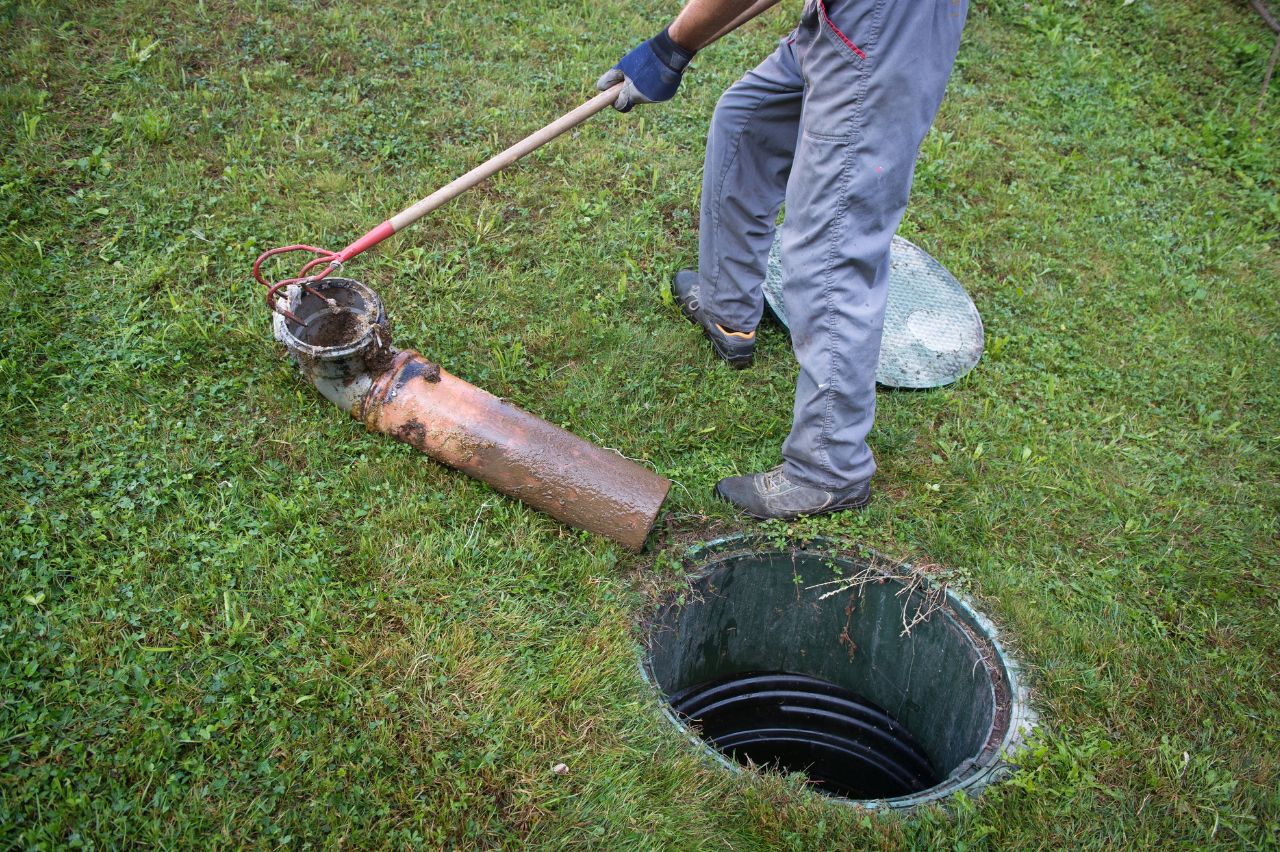
Causes of Septic Smell in Your House and How to Fix It
A septic smell in your house can be an unpleasant and embarrassing experience. It can indicate a serious problem with your septic system, which could lead to costly repairs. This article will explore the common causes of septic smells, providing a comprehensive guide to identify and address the issue.
Common Causes of Septic Smell in Your House
A septic smell in your house often points to an issue with the septic system. Here are some of the most common causes:
1. Full Septic Tank
A full septic tank is a primary culprit for a septic smell. When the tank reaches capacity, wastewater begins to back up, leading to a release of foul odors into your home. The smell may be particularly strong near drains and toilets.
2. Malfunctioning Septic System Components
Several components within the septic system can malfunction and contribute to septic smells, including:
- Broken or cracked pipes: Cracks or breaks in pipes can allow sewage to leak into surrounding soil, emitting a foul odor.
- Clogged drain field: A clogged drain field prevents wastewater from properly filtering into the soil, causing a backup and release of odors.
- Faulty vent pipe: A vent pipe that is clogged or damaged can trap sewer gases, leading to their release into your house.
- Broken or leaking septic tank lid: A broken or leaking septic tank lid can allow sewer gases to escape directly into the air.
3. Improper Maintenance
Neglecting regular septic system maintenance is a common cause of odor problems. Septic tanks should be pumped out every 2-5 years, depending on tank size and household usage. Failing to do so can lead to a buildup of solids and wastewater, creating a breeding ground for odor-producing bacteria.
4. Overloading the System
Excessive water use can overload the septic system, causing wastewater to back up and release odors. This can occur due to:
- Excessive flushing: Flushing large items down the toilet, such as diapers or wipes, can overload the system.
- Using a garbage disposal: Garbage disposals send food waste into the septic system, which can overload it.
- Large gatherings: Events with many guests can generate more wastewater than usual, putting a strain on the septic system.
5. Tree Roots
Tree roots can grow into septic system pipes and drain fields, blocking the flow of wastewater and creating a buildup that leads to odors.
How to Fix a Septic Smell in Your House
The first step to addressing a septic smell is identifying its source. Once the source is identified, you can take appropriate steps to fix the problem. Here are some solutions:
1. Pump Out the Septic Tank
If the smell is caused by a full septic tank, the most immediate solution is to have it pumped out by a qualified professional. Regular pumping helps maintain a healthy septic system and prevent odors.
2. Repair or Replace Malfunctioning Components
Inspecting your septic system for damaged or broken components is crucial. A plumber or septic system expert can identify and repair issues such as cracked pipes, clogged drain fields, faulty vent pipes, or leaking lids. In some cases, component replacement may be necessary.
3. Maintain Your Septic System Regularly
Preventative maintenance is essential for a healthy septic system. Regularly pumping the tank, inspecting components for damage, and avoiding overusing the system can help minimize the risk of odors.
4. Avoid Overloading the System
Reduce the strain on your septic system by avoiding excessive flushing, using a garbage disposal, and limiting water usage during large gatherings. Consider alternatives like using a composting toilet or a separate grey water system.
5. Address Tree Root Intrusion
If tree roots are interfering with your septic system, a professional plumber can identify and remove them. It's essential to ensure the roots don't regrow, which may require cutting down nearby trees or installing root barriers.
Additional Tips to Reduce Septic Smell
Beyond addressing the root cause of the septic smell, you can implement these tips to reduce the odor in your home:
- Use baking soda and vinegar: Pouring a mixture of baking soda and vinegar down drains can help neutralize odors.
- Use drain cleaner: Commercial drain cleaners can help unclog pipes and reduce odor-producing bacteria.
- Ventilate your home: Open windows and doors to allow fresh air to circulate and remove trapped odors.
- Use an air freshener: Air fresheners can help mask odors temporarily.
When to Call a Professional
If you are unsure about the cause of the septic smell or unable to resolve it yourself, it's crucial to contact a qualified plumber or septic system professional. They can diagnose the problem, recommend appropriate solutions, and carry out repairs or replacements as needed.
Conclusion
A septic smell in your house can be a sign of a problem with your septic system. Identifying the source of the odor is the first step toward addressing the issue. By taking proactive steps to maintain your septic system, you can prevent unpleasant smells and costly repairs.
Remember, addressing a septic smell promptly is essential for both your comfort and the health of your septic system. If you have any concerns, don't hesitate to consult a professional for expert guidance.
Comments
Post a Comment