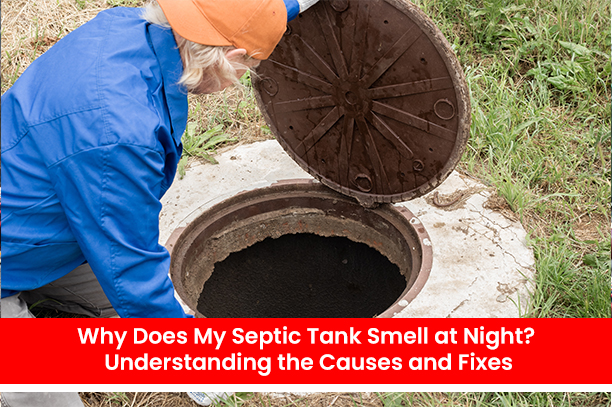
Septic Tank Smells After Rain: Fixes and Preventative Measures
That familiar, unpleasant odor wafting from your yard after a rainstorm can be a real headache. A septic tank that starts to smell after rain usually indicates a problem with the system, but don't panic just yet. The good news is that, in most cases, the issue is fixable. This article will explore the common culprits behind those post-rain odours, along with effective fixes and preventative measures to keep your septic system running smoothly.
Understanding the Problem: Why Rain Exacerbates Septic Tank Odors
Rainwater, especially heavy downpours, can overwhelm your septic system. Here's why:
- Increased Water Flow: Rainwater runoff adds significant volume to the septic tank, putting strain on the system's capacity to process wastewater.
- Ground Saturation: Saturated soil around the drain field slows down the drainage of wastewater, leading to a backup and potential overflow.
- Flush Out: Heavy rain can displace the layers of sludge and scum in the septic tank, exposing the underlying wastewater and causing those unpleasant smells.
Identifying the Source of the Odor
The first step in tackling the problem is to pinpoint the source of the smell. Is it coming from your septic tank itself, the drain field, or another area? Here are some clues:
- Septic Tank: The odor is strongest near the septic tank lid.
- Drain Field: The smell originates from the area where the drain field is located.
- Other Areas: The smell is coming from other parts of your yard, suggesting a leak or blockage elsewhere.
Fixes for Septic Tank Smells After Rain
Depending on the source of the problem, there are several solutions:
Septic Tank Issues
- Pumping: If the tank is full, a simple pumping will remove excess sludge and scum, restoring its capacity. Regular pumping (every 3-5 years) is crucial for prevention.
- Inspection and Repair: Cracks or leaks in the tank can allow wastewater to escape and create the foul smell. Professional inspection and repair are necessary for these issues.
Drain Field Issues
- Overloading: Avoid overusing water during and after heavy rain. Reduce water usage by taking shorter showers, running washing machines and dishwashers less frequently, and minimizing water-intensive activities like watering the lawn.
- Repair or Replacement: A damaged drain field can't effectively process wastewater. This could require repairs or, in severe cases, replacement of the entire field.
Other Potential Sources
- Plumbing Leaks: Check your plumbing system for leaks that could be contributing to the problem. Leaks often lead to excess water entering the septic tank, overwhelming the system.
- Improper Landscaping: Avoid planting trees or shrubs directly above the drain field, as their roots can damage the pipes. Direct water runoff away from the septic system.
Preventative Measures for Septic Tank Odor
To minimize the risk of septic tank smells after rain, follow these preventative measures:
- Regular Pumping: Schedule regular septic tank pumping according to the manufacturer's recommendations, typically every 3-5 years.
- Water Conservation: Embrace water-saving practices like using low-flow fixtures, fixing leaks promptly, and watering your lawn efficiently.
- Proper Maintenance: Have your septic system inspected by a qualified professional annually. They can identify potential problems early and prevent costly repairs.
Conclusion
That unpleasant smell after rain might be a sign of a problem with your septic system, but it doesn't have to be a major cause for concern. By understanding the causes, implementing the right fixes, and taking preventative measures, you can effectively manage your septic system and eliminate those unwanted odours.
Comments
Post a Comment