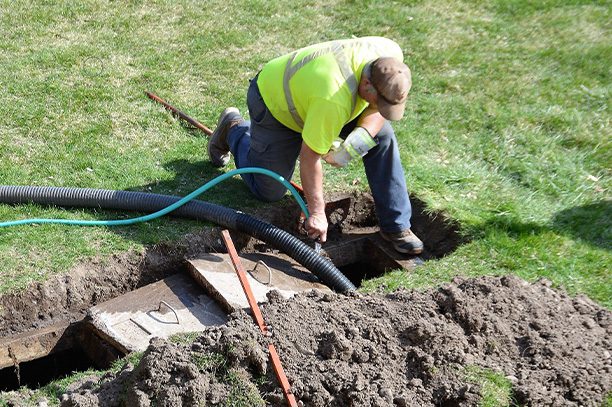
Septic tank odors are an unpleasant and often embarrassing issue, particularly for homeowners. While professional services can be costly, addressing the problem on a budget is achievable with a combination of preventative measures and DIY solutions. This comprehensive guide provides a step-by-step approach to effectively tackling septic tank odor issues, allowing you to restore a fresh and pleasant environment in your home.
1. Understanding the Source of the Odor
Before embarking on any solutions, it's crucial to understand the source of the odor. Septic tank odors can stem from several factors:
Overloading the Tank: Excessive waste accumulation can lead to overflow, forcing sewage to back up into the system and create foul smells.
Faulty Vent Pipe: A clogged or damaged vent pipe can trap sewer gases, forcing them to escape through other openings like drains or floor vents.
Broken or Leaky Pipes: Damaged pipes within the septic system can leak sewage, leading to unpleasant odors.
Poorly Maintained Drain Field: An overworked or clogged drain field struggles to filter wastewater, leading to sewage backup and odors.
Improper Aeration: Insufficient oxygen in the septic tank can encourage the growth of anaerobic bacteria, producing foul-smelling gases.
2. Assessing and Diagnosing the Problem
Before attempting any solutions, a thorough assessment is essential. Consider these steps:
Inspect the Vent Pipe: Ensure the vent pipe is clear of obstructions and extends at least a foot above the roofline.
Check for Signs of Leakage: Examine pipes for cracks, leaks, or signs of corrosion.
Observe Drain Field Performance: Look for signs of pooling water, soggy ground, or slow drainage around the drain field.
Consider Age and Usage: A septic tank exceeding its recommended lifespan (15-20 years) or subjected to heavy usage might require professional inspection.
3. Budget-Friendly Solutions to Eliminate Septic Tank Odors
Once the source of the odor is identified, implement these cost-effective solutions:
A. Preventing Odor: Proactive Measures
Avoid Overloading the Tank: Limit the use of water-intensive appliances like dishwashers and washing machines.
Minimize Flushing: Avoid flushing non-biodegradable items like wipes, paper towels, and feminine hygiene products.
Practice Water Conservation: Repair leaks promptly, install low-flow showerheads and toilets, and opt for water-efficient appliances.
Maintain Septic Tank Regularly: Schedule routine septic tank inspections and pumping (every 3-5 years depending on usage) to prevent excessive sludge buildup.
B. Neutralizing Odors: DIY Techniques
Pouring Baking Soda and Vinegar: Combine equal parts baking soda and white vinegar into the drain, followed by hot water. This mixture neutralizes odors and clears minor clogs.
Using Commercial Drain Cleaners: Choose enzyme-based drain cleaners, as they break down organic matter and neutralize odors. Avoid harsh chemical cleaners that can damage septic system components.
Utilizing Activated Charcoal: Place activated charcoal filters in areas prone to odors. The charcoal absorbs odor molecules, preventing them from spreading.
Sprinkling Baking Soda: Sprinkle baking soda down drains and around the tank's vent pipe to absorb odors and neutralize bacteria.
C. Addressing Specific Odor Sources
Faulty Vent Pipe: If the vent pipe is clogged, try clearing it using a plumber's snake or a long, flexible wire. If the pipe is damaged, consult a professional for repairs.
Leaking Pipes: Repair leaky pipes promptly to prevent further odor generation and potential damage to the system.
Clogged Drain Field: If the drain field is overloaded, consider a professional inspection and possible excavation for cleaning or replacement.
4. DIY Solutions for Maintaining Septic Tank Health
Adding Bacteria and Enzymes: Introduce bacteria and enzymes to your septic tank to improve waste decomposition and reduce odor-producing bacteria. These products are readily available at most hardware stores.
Using Septic Tank Additives: Utilize additives specifically designed for septic systems to improve performance and reduce odors.
Aerating the Tank: If your septic tank lacks proper aeration, consider using an aeration system to improve oxygen levels and reduce anaerobic bacteria growth.
5. When to Call a Professional
While many septic tank odor problems can be addressed on a budget, some situations warrant professional assistance:
Extensive Leaks or Damage: Large leaks or severe damage to pipes or the tank itself require professional repair or replacement.
Clogged Drain Field: If the drain field is persistently clogged or failing, it's crucial to involve a professional for evaluation and possible remediation.
Recurring Odors: If odor problems persist despite implementing DIY solutions, a professional inspection can identify and address the root cause.
6. Preventive Measures: Long-Term Solutions
Regular Inspections and Maintenance: Schedule regular inspections and pumping to ensure the tank's optimal performance.
Proper Waste Disposal: Be mindful of what you flush down the toilet and drain, avoiding non-biodegradable materials that can clog the system.
Water Conservation: Adopting water-saving practices can significantly reduce the load on your septic system, minimizing the risk of overloading.
Conclusion
Addressing septic tank odor issues on a budget is feasible with a combination of preventative measures and DIY solutions. By understanding the underlying causes, implementing appropriate solutions, and maintaining a proactive approach, you can effectively eliminate odors and ensure a pleasant home environment. However, in situations involving extensive damage or persistent problems, seeking professional assistance is essential. Remember, proper septic system care contributes to a healthier home and a more sustainable environment.
Comments
Post a Comment