How to Treat and Clean Your Septic Tank Without Using a Pump
Owning a septic system can be a rewarding experience, offering independence from municipal sewer lines. But it comes with the responsibility of proper maintenance. While a pump truck is the most common way to remove sludge from your tank, there are situations where you might need to treat and clean your septic tank without a pump. This article will guide you through the process, explaining the steps involved and the importance of each.
Understanding Septic Tank Maintenance
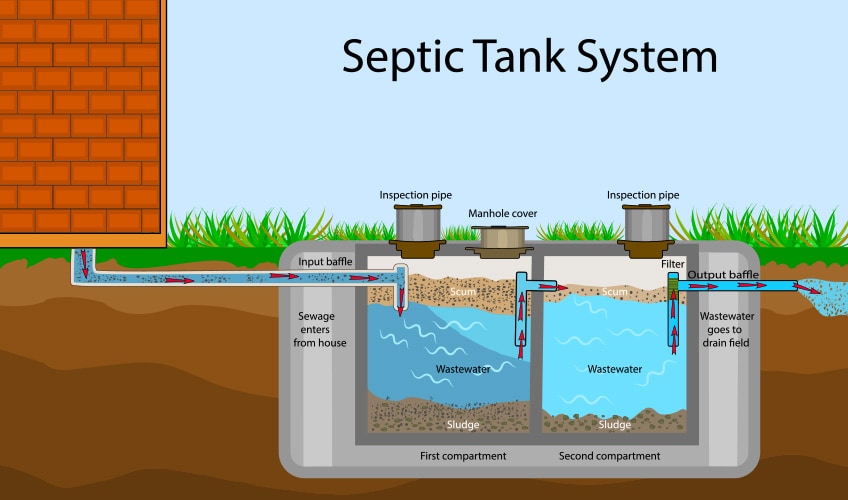
A septic system is a self-contained wastewater treatment system. It consists of a tank where solid waste settles and a leach field where wastewater is filtered. Over time, the solids in the tank decompose, forming sludge. This sludge needs to be removed periodically to prevent clogging and ensure your system works efficiently. Here's why you might want to try a pump-less approach:
Reasons to Avoid Using a Pump Truck
- Accessibility issues: Your tank might be located in a hard-to-reach area, making it difficult for a pump truck to access.
- Cost considerations: Pump truck services can be expensive, especially for frequent cleanings.
- Environmental concerns: You might prefer a more environmentally friendly solution to traditional pumping.
Treating Your Septic Tank Without a Pump
The key to treating your septic tank without a pump is to utilize bacteria that break down the sludge and solids. These bacteria are naturally present in your system, but their activity can be boosted by adding specific products.
1. Choose the Right Septic Treatment Products
Septic tank treatments come in various forms: liquids, tablets, or packets. They typically contain beneficial bacteria and enzymes that accelerate the breakdown of organic waste. When selecting a product, consider factors like:
- Type of waste: Some treatments are designed for specific waste types, like grease or toilet paper.
- Effectiveness: Look for products that are proven to break down sludge and reduce odor.
- Safety: Ensure the treatment is safe for your septic system and won't harm the environment.
Consult with a septic system professional for recommendations on the best product for your needs.
2. Follow Product Instructions Carefully
Each treatment product has specific instructions. Follow these meticulously to ensure the desired effect and avoid harming your septic system.
3. Use the Treatment Regularly
For optimal results, use septic tank treatments regularly, typically every 3-6 months. This will help to maintain a healthy bacterial balance in your system.
Cleaning Your Septic Tank Without a Pump
While treatment helps with ongoing maintenance, you might need to manually clean your septic tank if it's heavily clogged. Here are some methods:
1. Scoop Out Sludge and Solids
You can try scooping out the sludge and solids using a long-handled scoop or a bucket with a handle. Be careful, as sludge can be thick and smelly.
2. Use a Septic Tank Vacuum
A septic tank vacuum is a handheld device that sucks up sludge and debris. It's a good option for smaller quantities of waste.
3. Invest in a Bio-Digester
Bio-digesters are devices that use bacteria to break down waste and reduce the amount of sludge. While they can be expensive, they can be effective in preventing the need for pumping.
Important Considerations
Remember, cleaning a septic tank without a pump can be a messy and challenging task. These methods might not completely empty your tank, but they can help to prolong the time between professional pump outs.
- Safety First: Wear gloves, a mask, and protective clothing when working around your septic tank.
- Professional Assistance: If you're unsure about any aspect of this process, consult a licensed septic system technician. They can offer expert advice and ensure your system is operating efficiently.
- Maintenance is Key: Regular maintenance, even without pumping, is crucial for a healthy septic system. This includes avoiding flushing anything down the toilet that shouldn't be there, such as grease, coffee grounds, or disposable wipes.
By following these steps and using the right treatment products, you can maintain a healthy and functioning septic system without relying solely on a pump truck. Remember to prioritize safety and consult a professional if needed.
Comments
Post a Comment