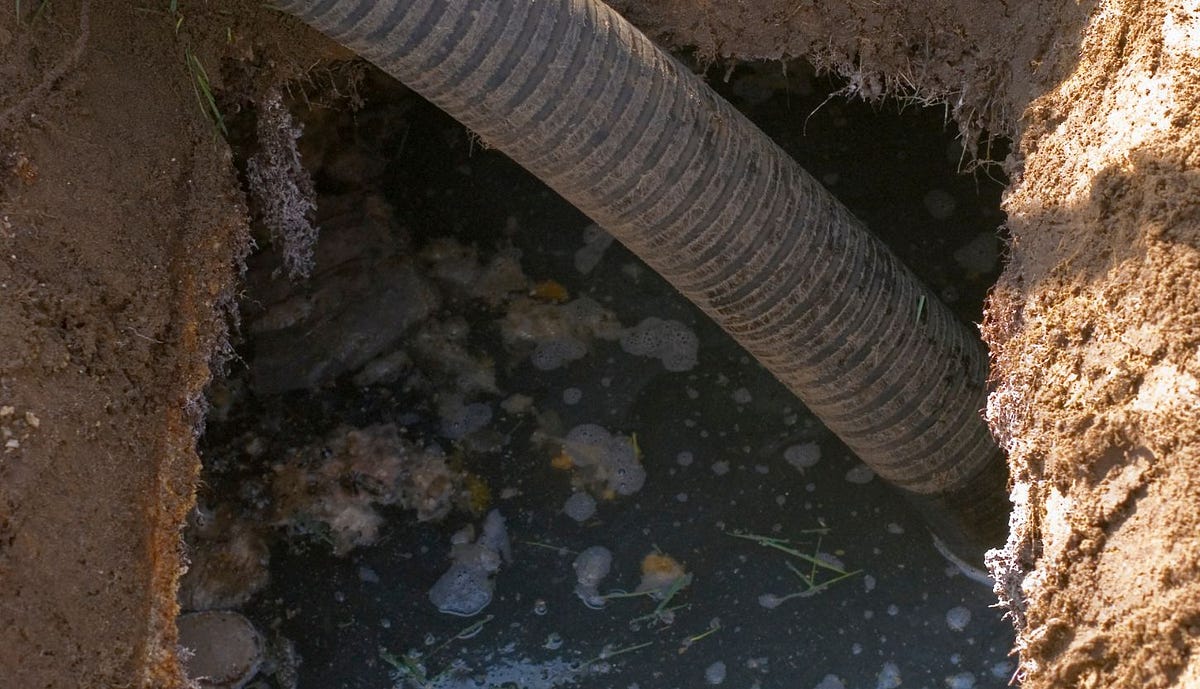
So, you’ve got a septic tank. You know, the one that makes your nose wrinkle every time you step outside. The one that makes you think, "Wait, is that sewage?"
Don't worry, you’re not alone. Septic tank odors are a common problem, especially when maintenance falls behind. And that's the first thing we need to address: lack of maintenance. It's like forgetting to clean your oven â€" the more you neglect it, the worse the smell gets.
Here’s the thing about septic tanks: they’re not just a giant trash can for your waste. They're actually a mini-ecosystem, carefully balancing bacteria and solids to break down your sewage. When things get out of whack, that's when the trouble starts.
So, how do we fix that awful septic tank smell?
1. First, Let's Get Real: What's Causing the Stink?
The Usual Suspects:
Full Tank: This is the most common culprit. Think of it like a full garbage can â€" it's going to start smelling, right? A full tank can’t do its job properly, and waste starts to back up into your system.
Clogged Drainfield: The drainfield is where the treated water goes, and a clog here can cause a nasty backup. Imagine your sink getting backed up â€" that’s essentially what’s happening.
Too Much Grease: Grease is the villain of the septic tank. It doesn't break down easily and can clog things up, creating that familiar, foul stench.
Low Water Levels: Your septic tank needs water to function properly. If the water level is too low, things can dry out and bacteria can’t do their job.
Old Age: Septic tanks have a lifespan, just like everything else. An old tank may not be able to handle the workload and may be leaking, causing the stench.
2. Time for Action: DIY Solutions for Septic Tank Smells
Let's tackle this one step at a time. Remember: always err on the side of caution, and if you're unsure, call a professional.
The First Step: PUMP IT!
Pumping: This is like a good housecleaning for your septic tank. A professional will pump out the solid waste, removing the build-up that's causing the stink. This is usually the best way to address a full tank.
Frequency: The frequency of pumping depends on your tank size and usage, but a good rule of thumb is every 3-5 years. Remember, the more people using the system, the more frequently it needs to be pumped.
Investigate that Drainfield:
Clogs: If you suspect a drainfield clog, avoid walking on the area, as it can damage the system. A professional can help you identify and fix the clog.
Grease and Sludge:
Avoid Grease: This is a no-brainer â€" limit the amount of grease going into your tank. Use grease traps in sinks and avoid pouring fats and oils down the drain.
Septic Tank Additives: These are products designed to help break down waste and reduce sludge buildup. Check with your local hardware store or septic tank company for recommendations.
Grease-Busting Enzymes: For that stubborn grease buildup, you can try specialized enzymes designed to dissolve grease. Just follow the instructions carefully.
Maintaining Water Levels:
Don’t flush unnecessarily: This might seem obvious, but avoid flushing things that don't belong in your toilet. This includes wipes, paper towels, and other non-biodegradable materials.
Use a Water Conservation System: Installing a water conservation system can help maintain water levels and reduce the load on your tank. This is a win-win for the environment and your septic system.
Time for a New Tank?
Signs of Trouble: If your tank is nearing the end of its lifespan, you might see signs like cracks, leaks, and even shifting ground around the tank.
Consult a Professional: If you suspect your tank is old and causing problems, contact a licensed septic tank professional for an inspection and advice.
3. Beyond the Basics: Preventing Those Stinky Surprises
Know Your Septic System: Understanding how your system works is key to preventing problems.
Regular Maintenance: Think of this as preventative care for your septic system. Get those regular inspections and pumping done, and don't be afraid to ask questions.
Be Mindful of What You Flush: Remember, your septic tank is not a garbage disposal. Avoid flushing items that can clog the system.
4. The Bottom Line: Don’t Let Septic Tank Smells Ruin Your Day
Dealing with a smelly septic tank can be frustrating, but it doesn’t have to be overwhelming. By understanding the basics, taking action, and practicing preventive maintenance, you can keep your system running smoothly and avoid those unpleasant odors.
And remember, if you're ever unsure about something, don’t hesitate to call a professional. They're there to help you keep your septic tank healthy and your nose happy!
Comments
Post a Comment