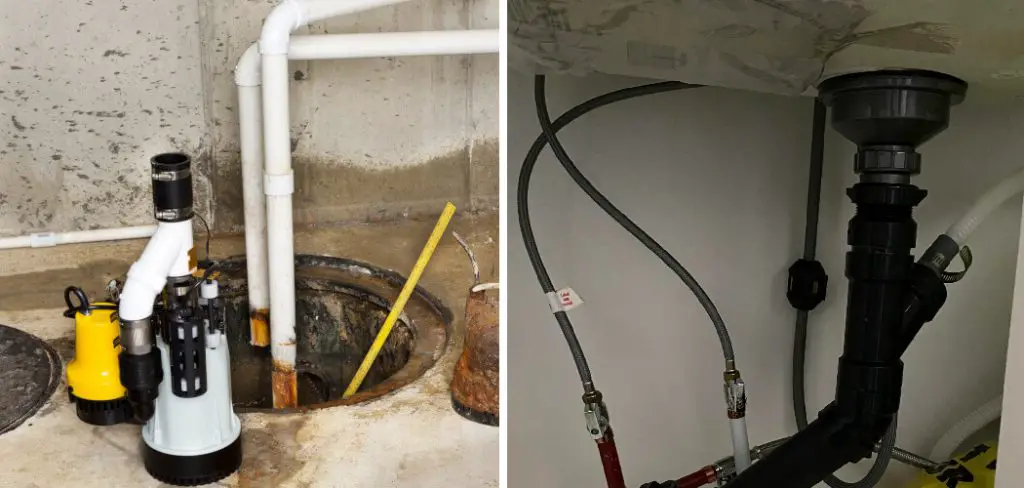
How to Fix the Root Causes of Septic Tank Smell
A septic tank is a vital component of a home's wastewater system, responsible for treating and disposing of sewage. While a properly functioning septic system should be odor-free, unpleasant smells can emerge, indicating underlying issues that require attention. Understanding the root causes of septic tank smell is crucial for addressing the problem effectively and preventing future occurrences. This article will delve into the common causes of septic tank odors and provide practical solutions to eliminate them.
Understanding the Septic System
A septic system comprises several essential components: the septic tank, the drain field, and the inlet and outlet pipes. The septic tank acts as a holding tank where solids settle to the bottom, forming sludge, while lighter materials like grease and oil float to the top, forming scum. Bacteria in the tank break down the waste into simpler substances. The treated effluent is then discharged into the drain field, where it filters through the soil, releasing clean water back into the environment. When this process is disrupted, it can result in a foul odor emanating from the septic system.
Common Causes of Septic Tank Smell
The following are some common causes of septic tank smell:
1. Overloading the Septic Tank
When the septic tank is overloaded with waste beyond its capacity, it can cause backups and overflows, leading to unpleasant odors. Factors contributing to overloading include:
- Large families or frequent guests
- Excessive use of water, such as frequent showering or laundry
- Flushing inappropriate items down the toilet, such as wipes, paper towels, or food scraps
- Improper drainage, causing rainwater or runoff to enter the septic tank
2. Septic Tank Sludge Accumulation
Over time, sludge accumulates at the bottom of the septic tank, potentially blocking the outflow pipe and preventing proper wastewater flow. This buildup can create anaerobic conditions, promoting the production of foul-smelling gases.
3. Septic Tank Scum Layer
A thick scum layer at the top of the septic tank can also hinder the flow of wastewater and create an environment conducive to odor production.
4. Drain Field Problems
The drain field is responsible for filtering the treated effluent from the septic tank. Issues within the drain field, such as clogging, soil compaction, or poor drainage, can lead to backups and foul odors.
5. Leaky Pipes
Leaks in the inlet or outlet pipes connecting the septic tank to the house or the drain field can allow raw sewage to escape, causing a strong odor.
6. Improper Ventilation
A septic tank should have a vent pipe to release gases and prevent pressure buildup. A blocked or damaged vent pipe can lead to odors escaping from the tank or other fixtures in the house.
Solutions to Fix Septic Tank Smell
Here are some steps you can take to fix septic tank smell:
1. Avoid Flushing Inappropriate Items
Only flush toilet paper and human waste down the toilet. Avoid flushing items like wipes, paper towels, feminine hygiene products, food scraps, and medications, as they can clog the pipes and overload the septic system.
2. Conserve Water
Reduce water usage by taking shorter showers, fixing leaky faucets, and using water-efficient appliances. This helps reduce the volume of wastewater entering the septic tank.
3. Maintain Proper Drainage
Ensure rainwater and runoff are diverted away from the septic tank and drain field. This prevents unnecessary water from entering the system.
4. Pump the Septic Tank Regularly
A septic tank should be pumped every 3-5 years, depending on the size of the tank and the number of occupants. Pumping removes the accumulated sludge and scum, allowing the system to function properly.
5. Inspect and Clean the Drain Field
Inspect the drain field for signs of clogging or damage, such as standing water or grass that is greener than the surrounding area. If necessary, have the drain field professionally cleaned or repaired.
6. Repair Leaky Pipes
Locate and repair any leaks in the inlet or outlet pipes connecting the septic tank to the house or the drain field.
7. Check and Clean the Vent Pipe
Ensure the vent pipe is clear and free of obstructions. If necessary, clean the vent pipe or have it inspected by a professional.
8. Consider Septic Tank Additives
Septic tank additives contain bacteria and enzymes that help break down waste and reduce sludge buildup. These additives can be beneficial in maintaining a healthy septic system.
Preventing Future Septic Tank Smell
To prevent future septic tank smell, consider the following:
- Regular maintenance: Schedule regular septic tank pumping and drain field inspections to ensure optimal performance.
- Proper waste disposal: Avoid flushing inappropriate items down the toilet and dispose of grease and oil properly.
- Water conservation: Implement water-saving measures in your home to reduce the volume of wastewater entering the septic system.
- Avoid overloading: Limit the use of water-intensive appliances and activities, especially during periods of high wastewater flow.
When to Seek Professional Help
While many septic tank odor issues can be addressed with simple DIY solutions, it's important to seek professional help when:
- You're experiencing a strong odor, despite implementing basic troubleshooting steps.
- You suspect a major plumbing problem, such as a leaking pipe or a clogged drain field.
- You're unsure about the best course of action to resolve the odor.
A qualified septic system professional can diagnose the problem accurately, provide appropriate solutions, and ensure the long-term health of your septic system.
Comments
Post a Comment